Why book this game
A stadium built to keep the rain out
The roof is the whole point
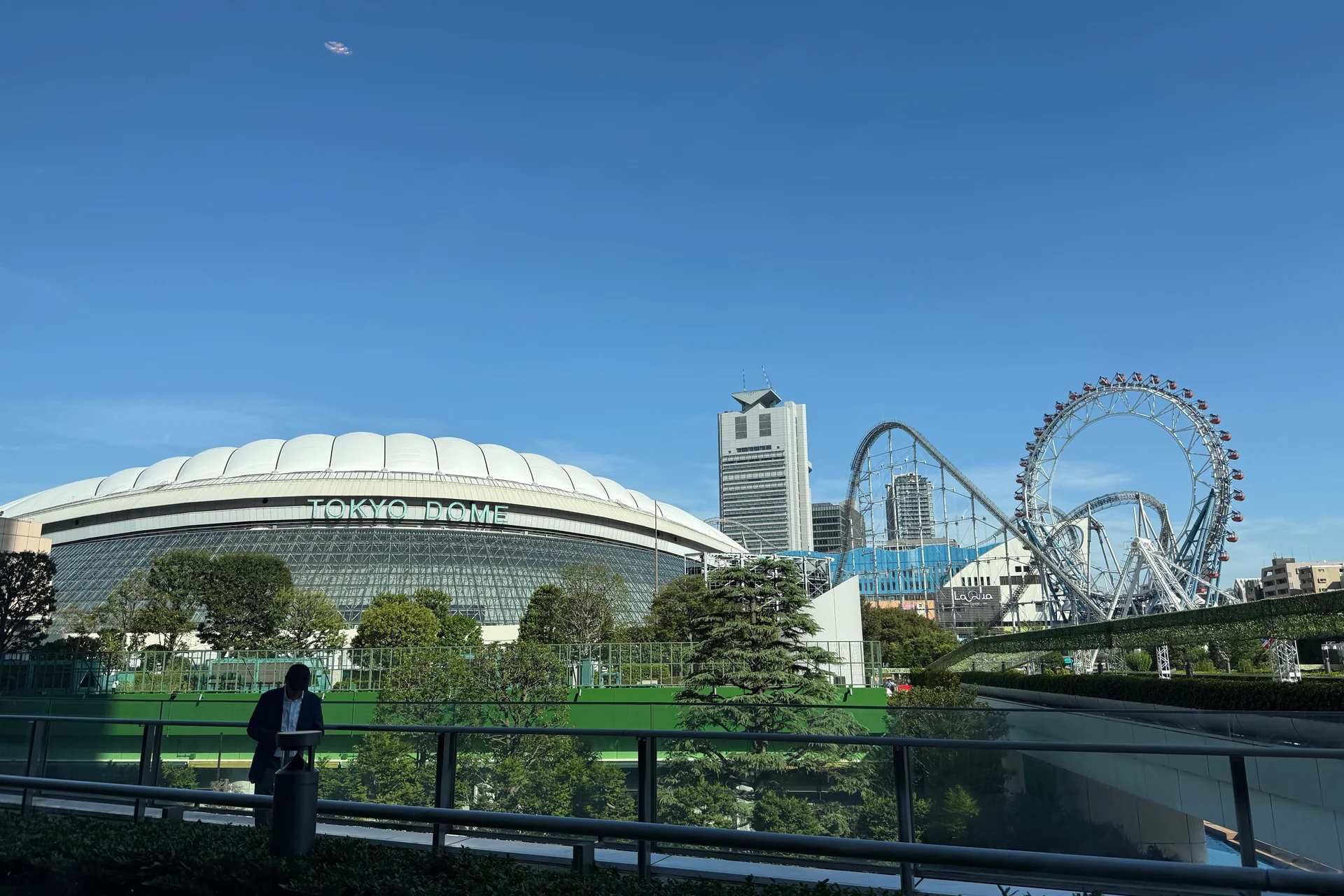
Tokyo Dome opened in 1988 as a fully covered stadium. Its roof is air-supported: a cable-reinforced fibreglass membrane 0.8 mm thick, held up by slightly pressurising the air inside, which is why it is nicknamed the Big Egg. There is no retractable panel, so whatever the weather is doing over Bunkyō, the game goes on under a sealed roof.
The towel is not a souvenir
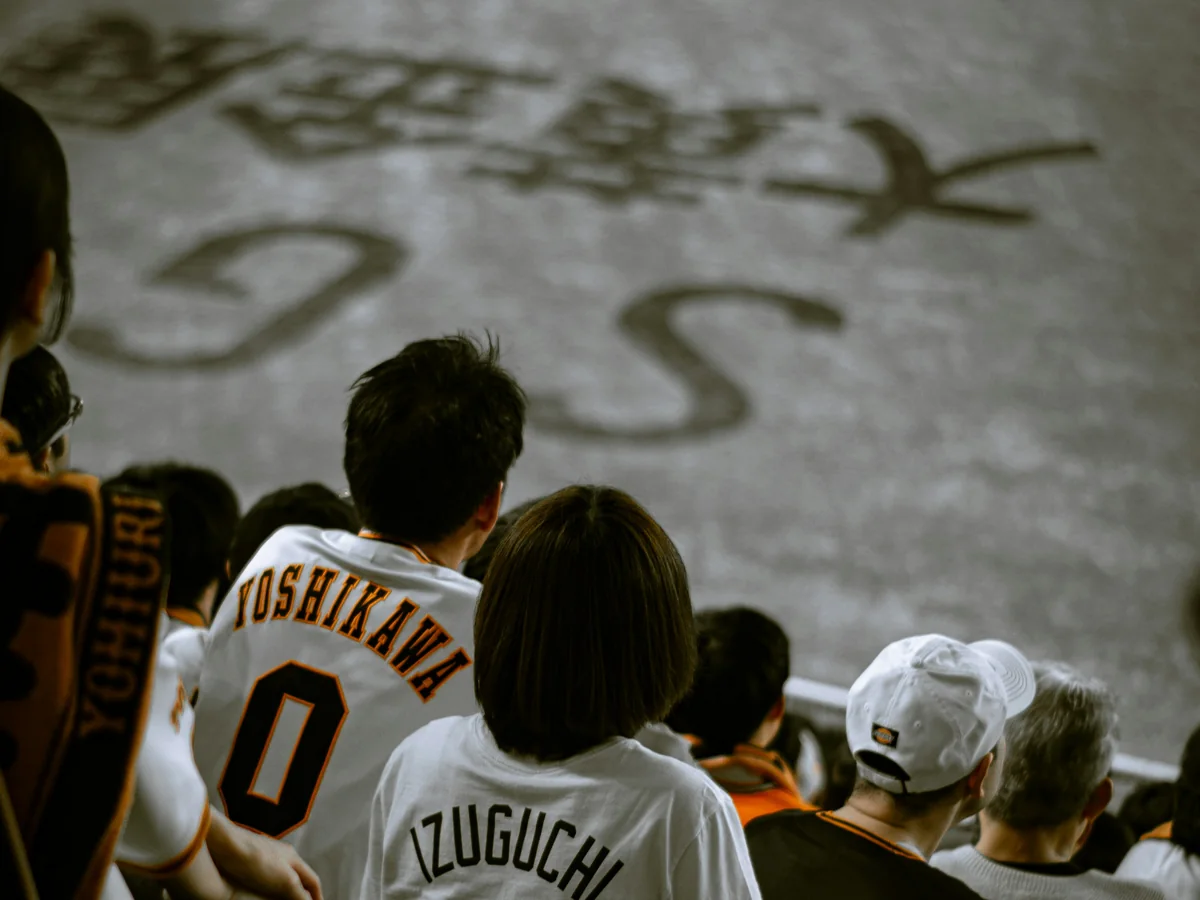
Fans bring orange towels to Giants games, and the Giants describe waves of towels rippling through the stands. Tokyo Dome's own guide lists towels, scarves, megaphones and uniforms as the classic cheering goods, and says every team has its own signature cheers. Towels are sold at the Giants' store next to Gate 23. On the baseball tour, a home jersey and cheering goods can be borrowed for some games, while souvenirs are not included.
Booked alongside the rest of the trip
The Giants run their own English-language ticket pages, and a visitor can buy a seat there with a credit card. The baseball tour on GetYourGuide is a different product: a local fan-guide meets your small group near the stadium, walks you in, stops at the street-vendor food and the merchandise shop and teaches the cheers, with the game ticket included. GetYourGuide is one of the ticket agencies named on the Giants' own how-to-buy page.
Two dugouts, two songs
The Giants' own dugout and cheering section sit on the first-base side, in the right-field bleachers; the visiting team brings its own dugout, its own ōendan and its own chants to the third-base side and left field. For one night, whoever the opponent is, the Dome holds two organised, trumpet-led crowds working against each other across the same infield.
The dome plan
The dome plan
Tokyo Dome divides cleanly into a home half and a visiting half, plus the standing outfield blocks where the organised cheering actually happens. Here is where each zone sits and what it is like to be in it.
First-base side — the Giants' own
The Giants' dugout sits here, and the infield seats along this side are calmer and more family-friendly than the outfield.
Third-base side — the visiting team's
The away dugout and the visiting team's own travelling supporters take this side — a smaller, louder pocket of a different team's colours holding its ground against the home crowd.
Right-field bleachers — the Giants' ōendan
No backrests, and fans stand and cheer: this is the Giants' organised cheering section, with trumpets and drums for the home team's at-bats. The Dome warns that seats near the speakers can be very loud.
Left-field bleachers — the away end
The mirror image in the visiting team's colours — their own chant leaders and drummers working the opposite outfield every time their side comes to bat.
Upper tiers — the wide view
Above the lower bowl, the upper tiers trade closeness for a wide view of the whole diamond, the crowd and the roof.
Where you sit depends on how you buy. From the Giants' channels you choose a seat type. On the baseball tour the seats are typically in the outfield cheering section, where fans stand when their team bats. Use the plan above to read where yours sits.
Suidobashi, and getting in
Suidobashi, and getting in
A few things worth knowing before a game at the Dome: which station to use, how to find your gate, and what else sits around the Dome if you arrive early. On the baseball tour you meet your guide near the stadium, and the meeting point varies by option.
Two stations, one short walk
Suidobashi Station (JR Chūō-Sōbu Line, West Exit, or the Toei Mita subway line, Exit A2) and Kōrakuen Station (Tokyo Metro Marunouchi or Namboku line) are both within walking distance. Tokyo Dome's access page gives step-by-step routes from each, ending at Gate 22 below the TOKYO DOME sign.
Your ticket, and your gate
How the ticket reaches you depends on where you bought it: a barcode or e-ticket on your phone, a paper ticket collected at a store or counter, or, on the baseball tour, your guide, who meets you near the stadium and walks you in with the tickets included. Tokyo Dome's access page uses Gate 22 as its main reference gate, so allow time to find your entrance before the game starts.
It sits inside a bigger complex
Tokyo Dome is one building inside Tokyo Dome City, which also holds an amusement park — the Ferris wheel and roller coaster are visible from outside the stadium — plus Kōrakuen Garden next door. Arriving an hour early is not wasted time.
A direct route exists too
The Giants' own ticket pages sell seats directly in English, and you pick the seat type. It is a workable route if you want a particular area. The baseball tour suits visitors who would rather have a local fan-guide arrange the evening, and it is not tied to Tokyo Dome: the game and stadium depend on the date.
Inside the Big Egg, in pictures
Inside the Big Egg, in pictures
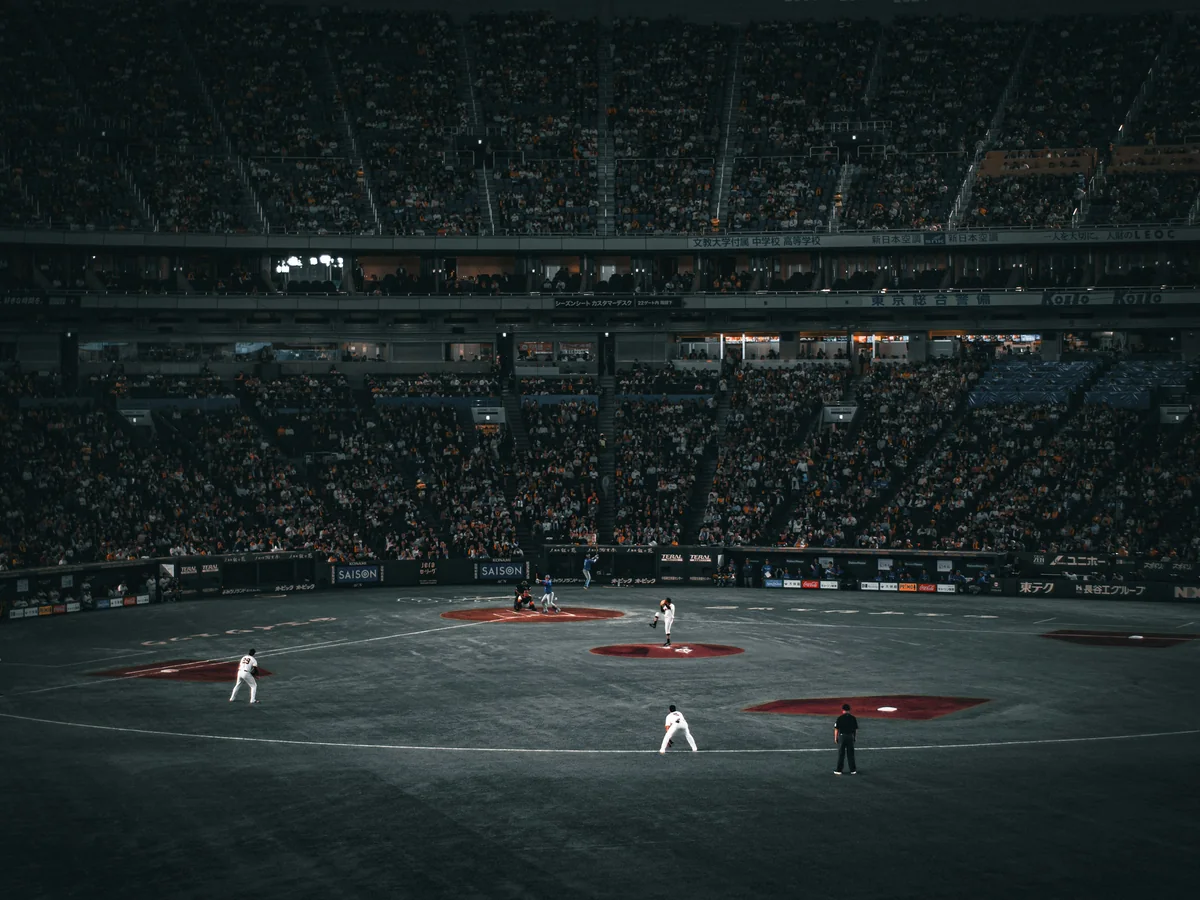
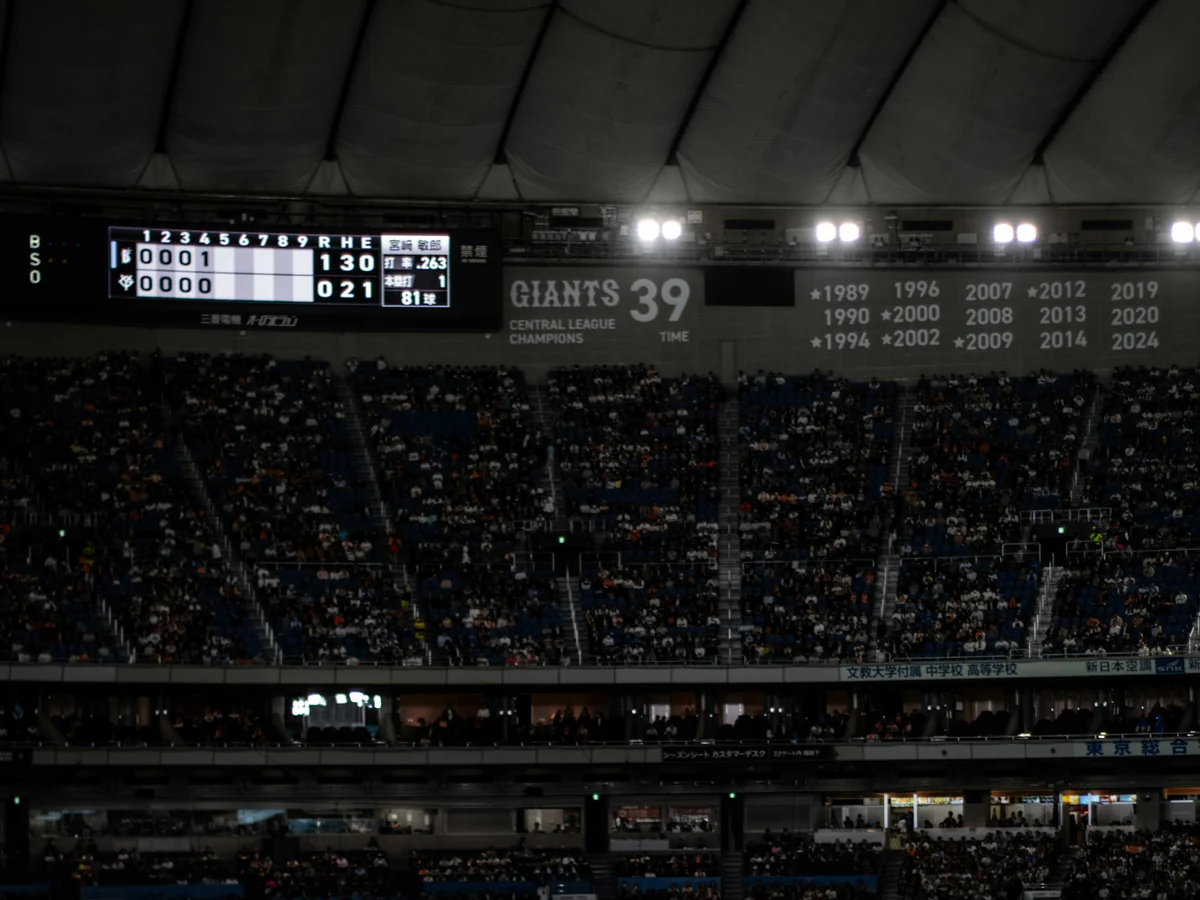
The packed stands on a game night, the Giants' orange and black worn in the crowd, and the roof and scoreboard above the stands.
Ways to watch the Giants
Ways to watch the Giants at the Dome
| Option | What it includes | Good to know |
|---|---|---|
| Baseball tour (GetYourGuide) | A live game with a local fan-guide: game ticket, local snacks, an English-speaking guide and a pamphlet on the cheers, in a small group of up to 10 | The game and stadium depend on the date; some dates are at Tokyo Dome. Free cancellation up to 24 hours ahead |
| Cheering goods on the tour | A home jersey and cheering goods can be borrowed for some games | Souvenirs, extra food and drinks, and transport are not included |
| GIANTS ONLINE TICKET (direct) | A seat bought directly through the team's own English-language ticket site | Works well if you already know the exact section you want |
| Outfield cheering seats | Reserved seats without backrests, and separate standing-room areas, in the home and visiting outfield | The loudest area; not for a quiet night out |
| Pair it with Tokyo Dome City | The amusement park and Kōrakuen Garden, booked and paid separately on arrival | Worth an hour if you arrive before the gates open |
The baseball tour
Pick your game date
Booking runs through GetYourGuide's own checkout. Pick a date on the tour page, see the game and stadium for that date, and the final price shows in your own currency before you pay.
See more Tokyo tours on GetYourGuide ↗Planning your night
Planning your night at the Dome
Give yourself time at the gates
Your tickets are for one specific game, so plan the evening around it. On the baseball tour you meet near the stadium and walk in together; the meeting point varies by option, so check it on the tour page. The tour cancels free up to 24 hours ahead, while the Dome's own ticket counter allows no changes or refunds.
Choosing your seat
From the Giants' channels you pick a seat type. On the baseball tour the seats are typically in the outfield cheering section, where fans stand when their team bats; they are small and may not suit everyone, and the tour is not suitable for wheelchair users, so contact the host about mobility concerns. Infield seats suit a first game on your own.
Eat and drink at your seat
The Giants describe beer vendors weaving through the stands and a wide variety of stadium food, so you can eat at the game. On the baseball tour, local snacks are included and outside food and drinks are allowed in, but not alcohol, glass bottles or cans. Tokyo Dome City's own guide also suggests takeout food from the LaQua area for eating while you watch.
Check the fixture before you book
The tour's game and stadium depend on the date you pick, and some dates are at Tokyo Dome, so check the game on the tour page. For a Giants game on your own, the Giants give their season as March to October and say weekend games tend to sell out quickly. A rivalry date, against the Hanshin Tigers especially, is popular.
Planning a Tokyo Dome night
Planning a Tokyo Dome night
A Tokyo Dome night, from Suidobashi to the last out
Station to seat to the ninth inning — the shape of a Giants game night at the Dome, in order.
Read more →What you will hear and seeHow Japanese baseball cheering works
Ōendan squads, player chants, towels and where the noise sits at a Giants game in Tokyo Dome, checked against the Dome and the Giants' own pages.
Read more →Eating and drinking at the gameFood and drink inside the Dome
Beer vendors in the stands, stadium food and takeout from Tokyo Dome City, plus what to know about paying and what you can bring in.
Read more →Tickets, seats and the gatesTokyo Dome baseball tickets, compared
Every way into a Giants game at Tokyo Dome: the club's own channels, the stadium counter and guided outings. Checked against the Giants and Tokyo Dome.
Read more →Choosing where to sitWhich side to sit on, and what each zone is like
First base or third base, infield or outfield — what the Dome's seating zones actually feel like from inside them.
Read more →Around the cityTokyo evenings beyond the Dome
One evening under the Big Egg's roof, and the rest of your Tokyo trip keeps moving around it — here's how a Suidobashi game night fits with everything else nearby.
Read more →FAQ
Tokyo Dome Giants game questions
What does the baseball tour include?
A game ticket, local snacks, an English-speaking guide and a pamphlet about the game and the cheers. A home jersey and cheering goods can be borrowed for some games. Souvenirs, extra food and drinks, and transport are not included.
Are Giants games on at Tokyo Dome right now?
The Giants give their season as March to October, so check the Giants' schedule page for the date you want. Outside the season there are no regular Giants games, though a tour of the Dome or the Hall of Fame can still be done. The baseball tour's dates are separate: the game and stadium depend on the date you pick, and some dates are at Tokyo Dome.
Where do I meet, and how do I get the ticket?
The meeting point varies by option and is shown on the tour page. You meet your guide near the stadium and walk in together, with the game ticket included. For a ticket bought from the Giants' channels, delivery is a phone barcode, a paper ticket collected at a store, or a counter next to Gate 20 for Yomiuri Travel Service bookings. Tokyo Dome's address is 1-3-61 Kōraku, Bunkyō-ku.
How do I get to Tokyo Dome?
The closest stations are JR Suidobashi (West Exit or East Exit), Toei Suidobashi (Exit A2) and Tokyo Metro Kōrakuen. Tokyo Dome's access page gives walking routes from each to Gate 22.
Which side will my seat be on — 1B or 3B?
The Giants' own dugout and organised cheering sit on the first-base (1B) side, toward right field, with the visiting team on the third-base (3B) side. From the Giants' channels you pick a seat type. On the baseball tour the seats are typically in the outfield cheering section, so expect to stand when your team bats.
Why does the weather never cancel a game here?
Tokyo Dome has had a fully enclosed, air-supported roof since it opened in 1988, nicknamed the Big Egg. Rain, wind or heat outside make no difference to what happens on the field.
Can I just buy Giants tickets myself instead?
Yes. The Giants run their own English-language ticket pages, which take credit cards and let you pick a seat type. The baseball tour suits visitors who would rather have a local fan-guide arrange the evening, and it is not limited to Tokyo Dome games.
Can I cancel or change my booking?
On the baseball tour you can cancel free up to 24 hours ahead, and you can reserve now and pay later. The Dome's own ticket counter allows no changes or refunds after purchase. Check the terms on the tour page before you pay.
What is the atmosphere actually like compared to an MLB game?
Louder and more organised. Cheering squads lead the outfield stands with drums and horns, with cheers tied to individual players, and fans bring towels and megaphones. Beer vendors work the stands too. Our cheering guide explains how it works.
Is there a guided way to go?
Yes. The baseball tour is a small-group outing of up to 10 people with a live English-speaking guide who helps with the language, the food and the cheers. The game and stadium depend on the date, and some dates are at Tokyo Dome, so check the game for your date.